

Blackjack 3 to 2 vs 6 to 5: How Table Payouts Shape Your Edge
While blackjack remains a game of skill, understanding payout variations is crucial for long-term success. For players seeking additional entertainment options beyond the felt, exploring resources like https://bookofdeadslotau.com/ can provide insight into other popular casino games. Ultimately, knowing the rules and payout structures helps you make informed decisions at the table.
The saloon doors swing shut in Hobart as the arvo crowd spills out, leaving a quiet room where the only sound is felt slapping against felt. Most punters glance at the table sign only after the cards are already in their hands, but the posted payout ratio quietly decides whether a long session drains the wallet or holds its own. I have sat across from operators who priced risk down to the decimal, and the maths never lies: a small shift in the odds compounds faster than most casual players realise. That is why comparing blackjack 3 to 2 vs 6 to 5 matters before you place a single chip.
The maths behind the posted sign
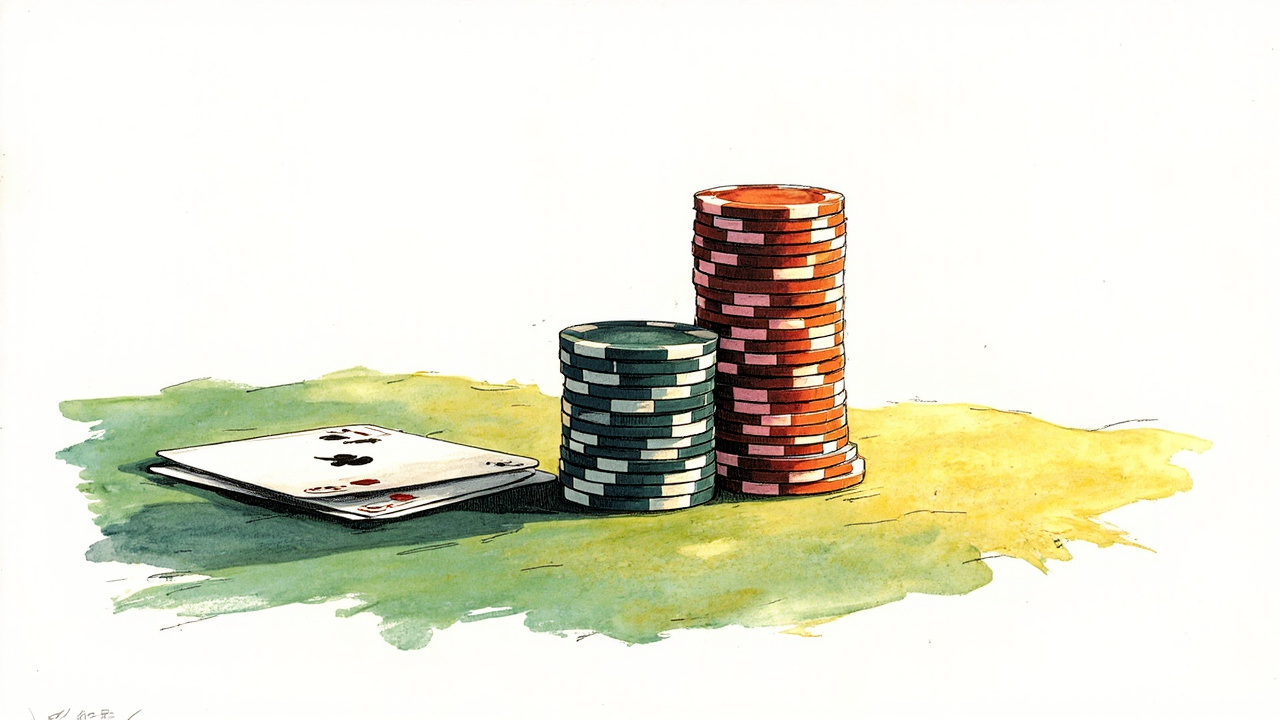
A standard deck deal looks identical on the surface, yet the payout written on the felt changes the entire expectation curve. The 3 to 2 rate pays one-and-a-half chips per unit wagered on a natural blackjack, while the 6 to 5 rate trims that return to just over one chip per unit. Over a hundred hands, that difference quietly siphons bankroll that would otherwise keep you in the chair. I have seen corporate strategy teams model this exact drag in FinTech risk frameworks, where fractional percentage shifts determine whether a product stays viable after overhead. The same discipline applies here: you do not need a PhD in probability to notice that 6 to 5 tables demand tighter bet sizing and shorter sessions, because the house edge climbs by nearly two percentage points on a typical layout. Players who treat the posted rate as a fixed cost, rather than a decorative detail, tend to manage their limits more realistically.
Finding the rate in the lobby and on the felt
Discovery starts before you tap a seat. A well organised lobby separates table games from live dealer rooms, tags each variant with its payout rule, and keeps the search function honest so you are not hunting through mixed categories. The best operators list the payout ratio right beside the table thumbnail, then let you filter by rule set before you commit time to a session. When you open a live table, the dealer confirms the payout verbally and the on-screen panel repeats it in plain text, so there is no guesswork once the cards are dealt. If you prefer digital tables, the same rule is displayed in the game info panel and locked in before the first hand. I have advised commercial teams to put rule transparency at the front of the player journey, because retention drops the moment a punter discovers an unfavourable payout after already loading a balance. Clear labelling saves frustration and keeps the session focused on the actual play.
- Open the table games section and scan the payout tags on each variant thumbnail.
- Use the lobby filter to isolate tables that show 3 to 2 blackjack before you tap into the seat.
- Read the on-screen rule panel once the table loads, confirming the natural payout and any side bet options.
- Set your session limit in the account tools before the first card is dealt, matching it to the house edge you just reviewed.
- Track your results against that limit rather than chasing the next hand, since the posted rate already sets the long-run expectation.
Bankroll, limits, and the session reality
Once you know the rate, the practical move is to adjust how you play rather than hoping the cards will forgive the maths. A 6 to 5 table rewards smaller, more disciplined wagers and shorter runs, while a 3 to 2 table gives a bit more breathing room for a patient session. Payment flows should match that discipline, with clear currency display, sensible deposit limits, and withdrawal timing that does not hide behind vague promises. I have reviewed commercial structures where crypto-adjacent settlement options were pitched as faster by default, but the real test is whether the operator keeps the same rule transparency across every payment method and every table type. Loyalty programmes and bonus mechanics work best when they do not obscure the underlying payout, because a points multiplier cannot offset a worse blackjack rate over time. The players who last are the ones who treat the posted odds as the fixed variable and manage everything else around it.
Mobile play and what to check on a small screen
A phone screen compresses the same information, so the lobby needs to keep the payout tag visible without forcing extra taps. Good mobile design keeps the table filter accessible, shows the rule panel in a readable size, and lets you adjust limits without burying the controls in a submenu. Support should be reachable when a table rule looks unclear, rather than leaving you to guess after you have already joined. I have seen operators treat mobile as a compacted version of the desktop lobby, and the ones that hold their players are the ones that keep the same rule clarity on a three-inch display. The session should feel consistent whether you are at a desk or on a commute, with the same payout information front and centre before you commit to a seat.

The real takeaway is straightforward: the posted payout is not a footnote, it is the first decision you make at the table. Pick the rate that matches your bankroll discipline, confirm it in the lobby, and let the rest of the session follow that choice rather than the other way around.